-
Applications of Enterprise Gen AI Platform for Automotive: Revolutionizing the Industry
In recent years, the automotive industry has witnessed a profound transformation, driven by advancements in Artificial Intelligence (AI) and machine learning. Among the most significant developments is the emergence of Enterprise Generative AI Platforms, which are revolutionizing every aspect of automotive operations. From design optimization and manufacturing process enhancement to supply chain management and predictive maintenance, these platforms are reshaping the future of automotive industry. This comprehensive guide explores the diverse applications of Enterprise Gen AI Platform for Automotive, shedding light on how it is redefining the way vehicles are designed, manufactured, and maintained.

Understanding Enterprise Gen AI Platform for Automotive
Before delving into its applications, let’s first grasp the essence of Enterprise Gen AI Platform for Automotive. These platforms leverage advanced AI algorithms and machine learning techniques to generate new data, insights, and solutions tailored to the automotive industry. By analyzing vast amounts of data collected from various sources, including vehicle sensors, production lines, and customer interactions, Enterprise Gen AI Platforms enable automotive companies to optimize processes, improve efficiency, and drive innovation across the entire value chain.
Applications Across Automotive Value Chain
1. Design Optimization
Enterprise Gen AI Platforms empower automotive companies to optimize vehicle design processes through generative design techniques. By simulating countless design iterations and analyzing performance metrics, these platforms help engineers create lightweight, aerodynamic, and structurally sound vehicle components. From chassis and body structures to engine components and interior features, AI-driven design optimization accelerates the development of next-generation vehicles that are safer, more efficient, and more environmentally friendly.
2. Manufacturing Process Enhancement
In the realm of manufacturing, Enterprise Gen AI Platforms play a crucial role in enhancing production processes and improving operational efficiency. By leveraging AI algorithms for predictive maintenance, quality control, and production optimization, automotive manufacturers can minimize downtime, reduce defects, and increase throughput. Additionally, AI-powered robotic systems enable flexible and adaptive manufacturing, allowing companies to quickly adapt to changing market demands and production requirements.
3. Supply Chain Management
Effective supply chain management is essential for the success of automotive companies, and Enterprise Gen AI Platforms provide valuable insights and capabilities to optimize supply chain operations. By analyzing historical data, market trends, and external factors such as weather and geopolitical events, these platforms enable companies to forecast demand, optimize inventory levels, and mitigate supply chain risks. Furthermore, AI-driven predictive analytics facilitate real-time monitoring and optimization of logistics and distribution processes, ensuring timely delivery of components and finished vehicles to customers worldwide.
4. Predictive Maintenance
Predictive maintenance is a critical application of Enterprise Gen AI Platform for Automotive, enabling companies to proactively identify and address potential equipment failures before they occur. By analyzing sensor data from vehicles and production equipment, AI algorithms can detect early warning signs of component degradation or malfunction, allowing maintenance teams to schedule preventive maintenance activities and avoid costly unplanned downtime. This proactive approach to maintenance not only improves asset reliability and uptime but also extends the lifespan of critical equipment, reducing overall maintenance costs for automotive companies.
5. Vehicle Personalization and Customization
Enterprise Gen AI Platforms enable automotive companies to offer personalized and customized vehicles tailored to individual customer preferences. By analyzing customer data, including purchase history, demographic information, and lifestyle preferences, AI algorithms can recommend personalized vehicle configurations, features, and options. From exterior colors and interior materials to entertainment systems and connectivity features, customers can personalize their vehicles to reflect their unique tastes and preferences, enhancing brand loyalty and customer satisfaction.
Key Benefits and Opportunities
The applications of Enterprise Gen AI Platform for Automotive offer a multitude of benefits and opportunities for automotive companies:
1. Enhanced Innovation and Productivity
By automating repetitive tasks, optimizing processes, and generating innovative solutions, Enterprise Gen AI Platforms drive continuous innovation and productivity improvements across the automotive value chain. From design and manufacturing to supply chain management and customer service, AI-powered solutions enable companies to stay ahead of the competition and deliver cutting-edge products and services to market faster and more efficiently.
2. Cost Reduction and Efficiency Gains
By optimizing resource utilization, minimizing waste, and streamlining operations, Enterprise Gen AI Platforms help automotive companies reduce costs and improve profitability. Whether through predictive maintenance to minimize downtime, supply chain optimization to reduce inventory carrying costs, or design optimization to minimize material waste, AI-driven solutions enable companies to achieve significant cost savings and efficiency gains.
3. Improved Quality and Reliability
By leveraging AI algorithms for predictive analytics and quality control, Enterprise Gen AI Platforms help automotive companies improve product quality and reliability. By identifying and addressing potential defects or issues early in the design or manufacturing process, companies can minimize recalls, warranty claims, and customer complaints, thereby enhancing brand reputation and customer satisfaction.
4. Enhanced Customer Experiences
By offering personalized and customized products and services, Enterprise Gen AI Platform enable automotive companies to deliver superior customer experiences. Whether through personalized vehicle configurations, proactive maintenance alerts, or customized marketing communications, AI-driven solutions help companies build stronger relationships with customers and foster brand loyalty and advocacy.
Conclusion
The applications of Enterprise Gen AI Platform for Automotive are vast and varied, spanning every aspect of automotive operations. From design optimization and manufacturing process enhancement to supply chain management and predictive maintenance, AI-powered solutions are revolutionizing the way vehicles are designed, manufactured, and maintained. As automotive companies continue to embrace AI technology, they will unlock new opportunities for innovation, efficiency, and growth, driving the industry forward into a new era of mobility and sustainability.
-
Unveiling the Features of Enterprise Generative AI Platform for Logistics
In the fast-paced world of logistics, efficiency, accuracy, and adaptability are paramount. With the advent of Artificial Intelligence (AI), logistics companies are increasingly turning to innovative solutions to streamline operations and enhance decision-making processes. One such solution gaining traction is the Enterprise Generative AI Platform for Logistics. This comprehensive platform harnesses the power of AI to optimize various aspects of logistics management, from route planning to inventory optimization. In this article, we’ll explore the key features of this transformative platform and its potential to revolutionize the logistics industry.

Understanding Enterprise Generative AI Platform for Logistics
What is an Enterprise Generative AI Platform?
An Enterprise Generative AI Platform is a sophisticated software solution that leverages AI algorithms, including generative models, to generate actionable insights, optimize operations, and drive strategic decision-making within an enterprise setting. In the context of logistics, this platform applies AI techniques to analyze vast amounts of data and generate optimal solutions for complex logistical challenges.
The Role of AI in Logistics
AI has emerged as a game-changer in the logistics industry, enabling companies to automate processes, improve efficiency, and adapt to dynamic market conditions. By leveraging AI-powered solutions, logistics companies can enhance route planning, predict demand, optimize warehouse operations, and reduce transportation costs.
Now, let’s delve into the features that make the Enterprise Generative AI Platform for Logistics a game-changer in the industry.
Key Features of Enterprise Generative AI Platform for Logistics
1. Route Optimization
One of the primary features of the Enterprise Generative AI Platform is route optimization. By analyzing historical data, real-time traffic conditions, and other relevant factors, the platform generates optimal routes for vehicles, considering factors such as distance, traffic congestion, delivery windows, and vehicle capacity. This feature helps logistics companies minimize fuel consumption, reduce delivery times, and improve overall fleet efficiency.
2. Demand Forecasting
Demand forecasting is crucial for logistics companies to efficiently manage inventory levels and meet customer demand. The Enterprise Generative AI Platform utilizes advanced forecasting models to predict future demand based on historical sales data, market trends, seasonality, and other factors. By accurately forecasting demand, companies can optimize inventory levels, reduce stockouts, and improve customer satisfaction.
3. Inventory Optimization
Optimizing inventory levels is essential for reducing holding costs while ensuring product availability. The Enterprise Generative AI Platform employs AI algorithms to analyze inventory data, demand forecasts, lead times, and supply chain constraints to optimize inventory levels across multiple locations. By dynamically adjusting inventory levels based on demand fluctuations and supply chain conditions, companies can minimize excess inventory, reduce carrying costs, and improve cash flow.
4. Dynamic Routing and Scheduling
In dynamic logistics environments, such as those involving last-minute order changes or unexpected disruptions, flexibility is key. The Enterprise Generative AI Platform offers dynamic routing and scheduling capabilities, allowing companies to adapt quickly to changing conditions. By continuously monitoring real-time data, such as traffic updates, weather forecasts, and order volumes, the platform dynamically adjusts routes and schedules to minimize delays, optimize resource utilization, and maximize customer satisfaction.
5. Predictive Maintenance
Equipment downtime can significantly impact logistics operations, leading to delays, increased costs, and customer dissatisfaction. The Enterprise Generative AI Platform incorporates predictive maintenance capabilities to anticipate equipment failures before they occur. By analyzing sensor data, equipment performance metrics, and historical maintenance records, the platform identifies potential issues and proactively schedules maintenance activities, minimizing downtime and optimizing equipment reliability.
6. Supply Chain Visibility
Supply chain visibility is critical for effective decision-making and risk management in logistics operations. The Enterprise Generative AI Platform provides end-to-end visibility into the supply chain, allowing companies to track shipments, monitor inventory levels, and identify potential bottlenecks or disruptions in real-time. By gaining insights into the entire supply chain ecosystem, companies can proactively address issues, optimize workflows, and improve overall operational efficiency.
7. Adaptive Learning
The Enterprise Generative AI Platform continuously learns from past data and user interactions to improve its performance over time. By leveraging machine learning algorithms, the platform adapts to changing business conditions, customer preferences, and market dynamics, ensuring that the generated solutions remain relevant and effective. This adaptive learning capability enables logistics companies to stay agile and responsive in the face of evolving challenges and opportunities.
Conclusion
The Enterprise Generative AI Platform for Logistics represents a paradigm shift in how logistics companies manage their operations. By harnessing the power of AI, this platform offers a comprehensive suite of features designed to optimize routing, forecasting, inventory management, scheduling, maintenance, and supply chain visibility. As the logistics industry continues to evolve, adopting AI-powered solutions will be essential for companies seeking to stay competitive, improve efficiency, and deliver superior customer experiences. With its advanced capabilities and transformative potential, the Enterprise Generative AI Platform is poised to redefine the future of logistics management.
-
The Impact of Enterprise Gen AI Solution for Private Equity on the Industry
Private equity has long been synonymous with strategic investments, value creation, and financial innovation. However, the landscape of private equity is rapidly evolving, driven by technological advancements and the growing importance of data-driven decision-making. In this article, we explore the transformative impact of enterprise gen AI solution for private equity on the industry, examining how these innovative technologies are reshaping investment strategies, portfolio management, and value creation initiatives.
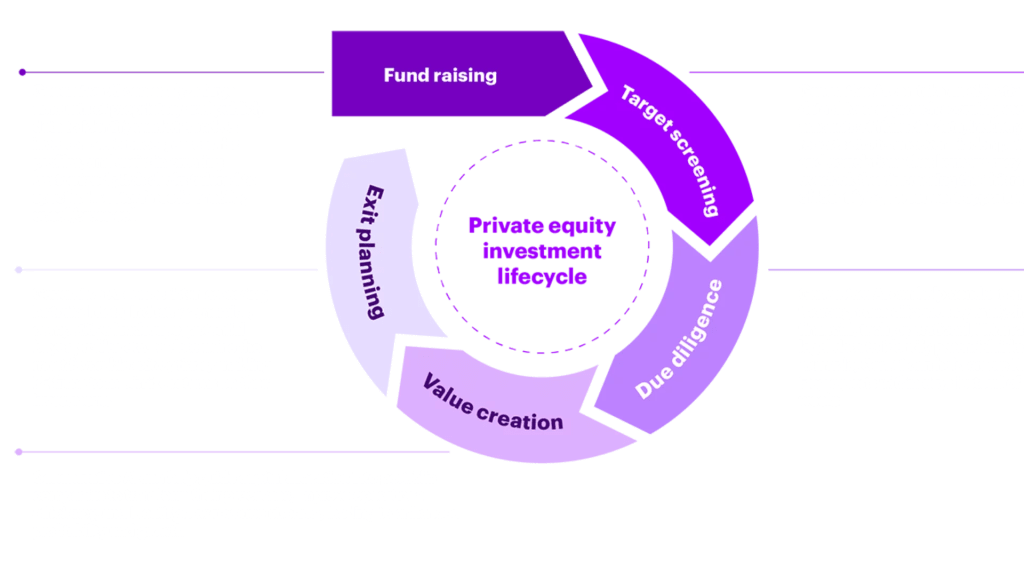
Understanding the Evolution of Private Equity and AI Integration
Private equity firms operate in a competitive environment where access to accurate data and actionable insights is critical for success. Traditionally, private equity professionals relied on manual processes and intuition to evaluate investment opportunities, manage portfolios, and drive value creation. However, the proliferation of data sources and the complexity of investment strategies have necessitated the adoption of advanced analytical tools and methodologies.
1. The Emergence of Gen AI Solution for Private Equity
Generative AI, a subset of artificial intelligence, focuses on creating new data or content based on existing inputs. In the context of private equity, Gen AI Solution for Private Equity leverages advanced algorithms, including deep learning and natural language processing, to analyze vast amounts of structured and unstructured data, extract insights, and generate actionable recommendations. These solutions empower private equity professionals to make informed decisions, identify investment opportunities, and optimize portfolio performance.
Analyzing the Impact of Enterprise Gen AI Solution for Private Equity
Enterprise generative AI solutions have a profound impact on the private equity industry, driving innovation, efficiency, and strategic growth. Let’s explore the key areas where these solutions are making a difference:
1. Data-driven Investment Strategies
Enterprise generative AI solutions enable private equity firms to develop data-driven investment strategies by leveraging predictive analytics and machine learning algorithms. These solutions analyze historical data, market trends, and industry benchmarks to identify investment opportunities, assess target companies’ performance and valuation, and optimize investment allocation across sectors and geographies.
2. Deal Sourcing and Due Diligence
Generative AI solutions streamline deal sourcing and due diligence processes by automating data collection, analysis, and insights generation. These solutions leverage natural language processing (NLP) techniques to extract relevant information from diverse sources, including company filings, news articles, and social media, enabling private equity professionals to evaluate potential deals more efficiently and comprehensively.
3. Portfolio Management and Optimization
Enterprise generative AI solutions support portfolio management and optimization by providing real-time insights into portfolio performance, risk exposure, and value creation opportunities. These solutions utilize advanced analytics and predictive modeling to identify portfolio companies’ strengths and weaknesses, assess market dynamics, and formulate data-driven strategies for growth, operational improvement, and exit planning.
4. Risk Management and Compliance
Generative AI solutions enhance risk management and compliance practices within private equity firms by analyzing regulatory requirements, monitoring portfolio performance against compliance standards, and identifying potential risks and vulnerabilities. These solutions help mitigate operational, financial, and regulatory risks, ensuring adherence to industry best practices and regulatory guidelines.
The Future of Enterprise Gen AI Solutions for Private Equity
As private equity firms continue to embrace enterprise gen AI solution, the future of the industry is poised for significant transformation. With advancements in AI technologies, such as reinforcement learning and generative adversarial networks, private equity firms will gain access to more sophisticated tools and methodologies for investment analysis, decision-making, and portfolio management. Moreover, increased collaboration between private equity firms and AI solution providers will drive innovation and create new opportunities for value creation and strategic growth.
Conclusion
The impact of enterprise generative AI solutions for private equity on the industry cannot be overstated. By leveraging advanced analytics, machine learning, and natural language processing capabilities, these solutions empower private equity firms to make data-driven decisions, optimize investment strategies, and achieve superior returns. As the adoption of generative AI continues to accelerate, private equity firms must embrace these technologies to stay ahead of the curve and unlock new opportunities for growth and success in the dynamic world of private equity.
-
Exploring the Features of Enterprise Generative AI Platform for Retail
In the dynamic world of retail, staying competitive and meeting customer demands requires retailers to leverage cutting-edge technologies. One such technology that’s transforming the retail landscape is the Enterprise Generative AI Platform. These platforms are designed to analyze vast amounts of data, uncover insights, and generate solutions that drive growth, optimize operations, and enhance customer experiences. In this comprehensive guide, we’ll delve into the features of Enterprise Generative AI Platform for retail and explore how they are reshaping the industry.

Understanding Enterprise Generative AI Platform for Retail
What is an Enterprise Generative AI Platform?
An Enterprise Generative AI Platform is a sophisticated software solution that harnesses the power of artificial intelligence (AI) and machine learning (ML) algorithms to generate actionable insights and solutions for retailers. These platforms utilize advanced analytics, natural language processing (NLP), and predictive modeling to analyze data from various sources, such as sales transactions, customer interactions, and market trends.
Key Components of Enterprise Generative AI Platforms
- Data Integration and Processing: Enterprise Generative AI Platform for retail is equipped with robust data integration capabilities that enable retailers to ingest and process data from diverse sources, including POS systems, e-commerce platforms, social media, and customer feedback channels.
- Advanced Analytics and Modeling: These platforms leverage advanced analytics techniques, such as predictive analytics and machine learning algorithms, to uncover patterns, trends, and insights in retail data. By analyzing historical sales data, customer behavior, and market trends, retailers can gain valuable insights into consumer preferences and market dynamics.
- Personalization and Recommendation Engines: Enterprise Generative AI Platforms feature powerful personalization and recommendation engines that deliver tailored product recommendations, promotions, and content to customers based on their preferences, browsing behavior, and purchase history. This level of personalization enhances the shopping experience and increases customer engagement and loyalty.
- Inventory Optimization: AI-powered inventory optimization capabilities help retailers optimize inventory levels, reduce stockouts, and minimize overstock situations. By analyzing demand forecasts, sales data, and supply chain information, these platforms enable retailers to make informed decisions about inventory management and procurement.
- Dynamic Pricing and Promotion: Enterprise Generative AI Platforms use dynamic pricing algorithms to optimize pricing strategies based on factors such as demand, competition, and customer behavior. By dynamically adjusting prices and promotions in real-time, retailers can maximize revenue, improve profitability, and stay competitive in the market.
- Customer Sentiment Analysis: NLP algorithms analyze customer reviews, feedback, and social media posts to extract sentiment, topics, and insights. This enables retailers to understand customer sentiment, identify emerging trends, and address customer concerns proactively.
Benefits of Enterprise Generative AI Platform for Retail
Enhanced Customer Experiences
By leveraging personalized recommendations and tailored experiences, Enterprise Generative AI Platforms help retailers deliver superior customer experiences. By understanding customer preferences and behavior, retailers can create personalized shopping journeys that increase customer satisfaction and loyalty.
Data-Driven Decision Making
Enterprise Generative AI Platforms empower retailers to make data-driven decisions across various aspects of their business. By analyzing vast amounts of data, these platforms provide valuable insights into customer behavior, market trends, and competitor strategies, enabling retailers to make informed decisions that drive business growth and profitability.
Operational Efficiency and Cost Reduction
AI-driven automation and optimization capabilities streamline retail operations and reduce costs. By automating repetitive tasks, optimizing inventory management, and improving supply chain efficiency, retailers can achieve significant cost savings and operational efficiencies.
Competitive Advantage
In today’s highly competitive retail landscape, staying ahead of the competition is essential. Enterprise Generative AI Platforms provide retailers with a competitive edge by enabling them to innovate, differentiate, and adapt to changing market conditions. By leveraging AI-powered insights and solutions, retailers can stay agile, responsive, and relevant in a rapidly evolving market.
Real-World Applications of Enterprise Generative AI Platform for Retail
Personalized Marketing and Advertising
Enterprise Generative AI Platforms enable retailers to deliver personalized marketing campaigns and targeted advertising that resonate with individual customers. By analyzing customer data and behavior, these platforms identify relevant audiences and create personalized messages and offers that drive engagement and conversions.
Demand Forecasting and Inventory Management
AI-driven demand forecasting models help retailers predict future demand for products and optimize inventory levels accordingly. By accurately forecasting demand and inventory requirements, retailers can minimize stockouts, reduce excess inventory, and improve overall inventory management efficiency.
Fraud Detection and Risk Management
Enterprise Generative AI Platforms help retailers detect fraudulent activities and mitigate risks associated with fraud and security breaches. By analyzing transactional data and identifying suspicious patterns and anomalies, these platforms enable retailers to prevent fraud, protect customer data, and safeguard their brand reputation.
Omnichannel Customer Engagement
With the rise of omnichannel retailing, Enterprise Generative AI Platforms help retailers deliver seamless and consistent experiences across multiple channels, including online, mobile, and brick-and-mortar stores. By integrating data from various touchpoints and channels, retailers can provide personalized experiences that drive customer engagement and loyalty.
Conclusion
Enterprise Generative AI Platform is revolutionizing the retail industry by providing retailers with powerful tools to analyze data, uncover insights, and generate solutions that drive growth and enhance customer experiences. By leveraging advanced analytics, personalization, and automation capabilities, retailers can stay ahead of the competition, optimize operations, and deliver superior customer experiences in today’s rapidly evolving retail landscape.
-
Unveiling the Need, Benefits, and Role of Generative AI Solutions for Media
In today’s fast-paced media landscape, the demand for innovative solutions to create, distribute, and engage audiences with compelling content has never been higher. Generative Artificial Intelligence (AI) solutions have emerged as a transformative force in the media industry, offering a wide range of capabilities to revolutionize content creation, production workflows, and audience interactions. In this comprehensive exploration, we’ll delve into the pressing need for Gen AI solution for media, the myriad benefits they offer, and their pivotal role in shaping the future of the industry.

Understanding the Need for Generative AI Solutions
Before we delve into the benefits and role, let’s examine the pressing need for Gen AI solution for media industry:
1. Demand for Personalized and Engaging Content
Audiences today crave personalized and engaging content experiences tailored to their preferences and interests. Gen AI solution for media offers the capability to create customized content recommendations, interactive narratives, and immersive experiences that captivate and resonate with audiences on a deeper level.
2. Rising Content Production Demands
Media organizations face increasing pressure to produce high-quality content at scale to meet the demands of digital platforms and diverse audience segments. Gen AI solution for media streamlines content creation workflows, automate repetitive tasks, and augment human creativity, enabling media organizations to produce more content efficiently and cost-effectively.
3. Competition and Innovation Imperatives
In a highly competitive media landscape, innovation is key to staying ahead of the curve and capturing audience attention. Gen AI solution for media empowers media organizations to explore new content formats, experiment with creative concepts, and differentiate themselves from competitors through innovative storytelling and audience engagement strategies.
Exploring the Benefits of Generative AI Solutions
Now that we understand the need, let’s explore the myriad benefits that Generative AI solutions bring to the media industry:
1. Enhanced Creativity and Innovation
Generative AI solutions stimulate creativity and innovation by augmenting human capabilities with machine intelligence. These solutions offer tools and frameworks to generate novel content ideas, explore creative concepts, and experiment with different storytelling formats, empowering media professionals to push the boundaries of creativity and innovation.
2. Streamlined Content Production Workflows
Generative AI solutions streamline content production workflows by automating repetitive tasks, accelerating production cycles, and optimizing resource allocation. These solutions offer features such as automated writing, image and video editing, and content personalization, enabling media organizations to produce more content in less time and with fewer resources.
3. Personalized Audience Engagement
Generative AI solutions enable personalized audience engagement experiences by analyzing user data and behavior to deliver targeted content recommendations, interactive narratives, and immersive experiences. By understanding individual preferences and interests, media organizations can enhance user engagement, retention, and loyalty across digital platforms and channels.
4. Data-Driven Insights and Optimization
Generative AI solutions provide valuable insights and analytics that inform content strategy, audience segmentation, and optimization efforts. By analyzing audience interactions, content performance metrics, and market trends, media organizations can identify emerging opportunities, refine content strategies, and optimize distribution channels for maximum impact and ROI.
Unveiling the Role of Generative AI Solutions in Media
Generative AI solutions play a pivotal role in shaping the future of the media industry across various domains:
1. Content Creation and Production
Generative AI solutions revolutionize content creation and production workflows by automating repetitive tasks, enhancing creative capabilities, and optimizing resource allocation. These solutions empower media professionals to produce high-quality content at scale, experiment with innovative formats, and engage audiences with compelling storytelling experiences.
2. Audience Engagement and Personalization
Generative AI solutions enable personalized audience engagement experiences by delivering targeted content recommendations, interactive narratives, and immersive experiences tailored to individual preferences and interests. By leveraging advanced machine learning algorithms, media organizations can foster deeper connections with audiences and drive higher levels of engagement, retention, and loyalty.
3. Innovation and Differentiation
Generative AI solutions drive innovation and differentiation in the media industry by enabling experimentation with new content formats, creative concepts, and audience engagement strategies. These solutions empower media organizations to push the boundaries of creativity, explore emerging trends, and differentiate themselves from competitors through innovative storytelling and content experiences.
4. Optimization and Monetization
Generative AI solutions optimize content distribution channels, audience segmentation, and monetization strategies through data-driven insights and optimization techniques. By analyzing audience behavior, content performance metrics, and market trends, media organizations can optimize content delivery, target advertising campaigns, and maximize revenue opportunities across digital platforms and channels.
Conclusion
Generative AI solutions have become indispensable tools for media organizations seeking to innovate, engage audiences, and stay ahead of the competition in today’s dynamic media landscape. By understanding the pressing need for Generative AI solutions, exploring their myriad benefits, and unveiling their pivotal role in shaping the future of the media industry, media organizations can harness the transformative power of AI technologies to create, distribute, and monetize content in new and innovative ways. As the media industry continues to evolve and adapt to changing consumer preferences and technological advancements, Generative AI solutions will play an increasingly central role in driving creativity, innovation, and audience engagement in the digital age.
-
Unleashing Creativity: Transforming the Entertainment Industry with Generative AI Solutions
The entertainment industry has always been a hotbed of innovation, constantly evolving to meet the demands of audiences hungry for new and captivating experiences. In recent years, Generative Artificial Intelligence (AI) solutions have emerged as a disruptive force in entertainment, offering unparalleled capabilities to creators and reshaping the way content is generated, consumed, and experienced. From generating immersive virtual worlds to composing original music, Generative AI solutions hold the potential to revolutionize the entertainment industry in profound ways. In this article, we explore how Generative AI solution for entertainment can transform the industry, unlocking new creative possibilities and captivating audiences like never before.

Introduction to Generative AI Solutions
Before delving into the transformative potential, let’s first understand what Generative AI solutions entail. Generative AI refers to a subset of artificial intelligence techniques focused on creating new content, data, or experiences that closely mimic human creativity. The Generative AI solution for entertainment leverages advanced machine learning algorithms, such as Generative Adversarial Networks (GANs) and Variational Autoencoders (VAEs), to generate content autonomously.
The Current Landscape of Entertainment
To appreciate the transformative power of Generative AI solution for entertainment, it’s essential to understand the current landscape of entertainment and the challenges it faces:
1. Content Creation Challenges
Content creation in entertainment often involves significant time, resources, and expertise. Whether it’s developing intricate visual effects for films, composing original music for games, or crafting immersive narratives for interactive experiences, creators face numerous challenges in bringing their creative visions to life.
2. Audience Expectations
Audiences today have higher expectations than ever before. They crave personalized, immersive, and interactive experiences that captivate their attention and engage their emotions. Meeting these expectations requires creators to push the boundaries of creativity and innovation, delivering content that resonates with audiences on a deeper level.
3. Technological Advancements
Advancements in technology, particularly in areas such as artificial intelligence, virtual reality, and augmented reality, have opened up new possibilities for content creation and consumption. Creators are increasingly leveraging these technologies to create more immersive, interactive, and engaging experiences that blur the lines between reality and fiction.
Transformative Potential of Generative AI Solutions
Now, let’s explore how Generative AI solution for entertainment can transform the entertainment industry in several key areas:
1. Content Creation
Generative AI solutions have the potential to revolutionize content creation in entertainment by automating and augmenting the creative process. These solutions can generate a wide range of content, including artwork, music, dialogue, and even entire virtual environments. By leveraging machine learning algorithms trained on vast datasets of existing content, Generative AI solution for entertainment can generate new content that closely resembles human-generated content, saving time and resources for creators.
2. Personalization and Interactivity
Personalization and interactivity are becoming increasingly important in entertainment, with audiences seeking tailored experiences that cater to their individual preferences and tastes. Generative AI solutions can enable hyper-personalized and interactive experiences by analyzing user data and behaviors to generate content that resonates with each user. Whether it’s generating personalized music playlists, customizing game levels based on player preferences, or creating interactive narratives that adapt to user choices, Generative AI solution for entertainment can enhance user engagement and satisfaction.
3. Cross-Disciplinary Collaboration
Generative AI solution for entertainment can facilitate cross-disciplinary collaboration among artists, musicians, designers, and developers, enabling them to work together seamlessly on creative projects. These solutions provide collaboration tools and workflows that allow multiple users to collaborate on creative projects simultaneously, fostering collaboration and innovation. Whether it’s combining artwork with music, integrating storytelling with gameplay, or merging virtual and physical experiences, cross-disciplinary collaboration can drive creativity and push the boundaries of entertainment.
4. Realism and Immersion
Generative AI solution for entertainment can enhance realism and immersion in entertainment by generating content that is increasingly realistic and immersive. These solutions leverage advancements in machine learning and rendering technologies to create lifelike characters, realistic environments, and immersive soundscapes. Whether it’s creating realistic visual effects for films, animating characters with lifelike movements, or generating immersive soundscapes for virtual environments, Generative AI solutions can transport audiences to new worlds and engage them in new ways.
5. Adaptive Learning
Generative AI solutions can adapt and learn from user interactions and feedback to improve the quality and relevance of generated content over time. By analyzing user behavior, preferences, and engagement metrics, these solutions can adapt their algorithms to generate content that better meets user expectations. Whether it’s dynamically adjusting the difficulty of game levels based on player performance, personalizing music recommendations based on listening habits, or tailoring narrative experiences based on user choices, adaptive learning can enhance user satisfaction and retention.
6. Scalability
Generative AI solutions offer scalability, allowing creators to scale content generation efforts to meet growing demand or accommodate large user bases. These solutions leverage distributed computing and parallel processing techniques to scale resources dynamically based on workload demands. Whether it’s generating content for millions of users simultaneously or handling spikes in traffic during peak periods, Generative AI solutions can scale resources to ensure smooth and uninterrupted content generation.
7. Ethical and Responsible AI
As Generative AI solutions become more prevalent in entertainment, ensuring ethical and responsible AI practices will be paramount. Creators must prioritize fairness, transparency, and accountability in content generation processes to mitigate the risks of bias, discrimination, and misinformation. Generative AI solution for entertainment can integrate fairness testing, bias detection, and transparency features into their algorithms to ensure responsible content creation and distribution.
Challenges and Considerations
While the transformative potential of Generative AI solutions for entertainment is vast, several challenges and considerations must be addressed:
1. Ethical and Responsible AI
Ensuring ethical and responsible AI practices is essential to prevent bias, discrimination, and misinformation in generated content. Creators must prioritize fairness, transparency, and accountability in content generation processes to uphold the integrity and credibility of the creative process.
2. User Privacy and Data Security
Safeguarding user privacy and data security is crucial as Generative AI solutions collect and analyze user data to personalize content and experiences. Creators must implement robust data protection measures and adhere to privacy regulations to protect user data from unauthorized access and misuse.
3. Content Quality and Authenticity
Maintaining content quality and authenticity is essential to ensure that generated content resonates with audiences and upholds the integrity of the creative process. Creators must ensure that generated content meets high standards of quality and authenticity to build trust and credibility with audiences.
4. Regulatory and Legal Considerations
Navigating regulatory and legal considerations is necessary to ensure compliance with laws and regulations governing content creation and distribution. Creators must stay informed about relevant regulations and seek legal guidance to mitigate the risks of legal challenges and liabilities.
Conclusion
Generative AI solutions have the potential to transform the entertainment industry by unlocking new creative possibilities, enhancing user experiences, and reshaping the way content is generated, consumed, and experienced. From automating content creation to enabling hyper-personalized and interactive experiences, Generative AI solutions hold the key to revolutionizing entertainment and captivating audiences like never before. As technology continues to evolve, we can expect Generative AI solutions to play an increasingly prominent role in shaping the future of entertainment, unleashing creativity and innovation on a global scale.
-
Impact of Generative AI Solutions for Information Technology on the Sector
In recent years, the Information Technology (IT) sector has been witnessing a profound transformation fueled by advancements in artificial intelligence (AI) technologies. Among these advancements, generative AI solutions have emerged as a powerful tool with the potential to revolutionize various aspects of the IT industry. From content generation to creative design and code development, generative AI solutions are reshaping how organizations approach challenges and opportunities in the digital landscape. In this article, we explore the impact of generative AI solution for information technology on the sector, examining their benefits, challenges, and future prospects.

Understanding Generative AI Solutions
Generative AI solutions are a subset of artificial intelligence that focuses on generating new content, often indistinguishable from content created by humans. These solutions leverage deep learning techniques, such as Generative Adversarial Networks (GANs), Variational Autoencoders (VAEs), and Transformers, to produce text, images, code, and other forms of data.
Key Components of Generative AI Solutions
- Deep Learning Models: Generative AI solution for information technology relies on complex neural network architectures to learn patterns and generate content.
- Training Data: High-quality training data is essential for training generative AI models effectively.
- Natural Language Processing (NLP): For text generation tasks, NLP techniques are employed to understand and manipulate language effectively.
- Feedback Mechanisms: Some generative AI solutions incorporate feedback loops to improve their outputs based on user interactions and preferences.
Impact on the IT Sector
Generative AI solution for information technology is poised to have a profound impact on various aspects of the IT sector, offering numerous benefits and opportunities for organizations to innovate and optimize their operations.
1. Automation of Content Generation
One of the most significant impacts of generative AI solution for information technology sector is the automation of content generation tasks. These solutions can generate articles, product descriptions, marketing materials, and other forms of content at scale, reducing the time and resources required for content creation. This automation allows organizations to focus on higher-value tasks while maintaining a consistent flow of engaging content.
2. Acceleration of Creative Design Processes
Generative AI solution for information technology is also revolutionizing creative design processes by assisting designers in generating visual elements such as images, logos, and animations. These solutions can generate design concepts based on specified criteria or autonomously produce original artworks. By streamlining the design process, generative AI solutions enable designers to explore new ideas more efficiently and deliver innovative solutions to clients.
3. Optimization of Code Development
In software development, generative AI solution for information technology is being used to generate code snippets, debug scripts, and optimize algorithms. These solutions can analyze existing codebases, identify patterns, and suggest improvements to enhance code quality and performance. By automating repetitive coding tasks, generative AI solutions enable developers to focus on solving complex problems and delivering higher-quality software products.
4. Enhancement of Cybersecurity Measures
Generative AI solutions are playing a crucial role in bolstering cybersecurity measures by assisting organizations in threat detection, anomaly detection, and malware analysis. These solutions can simulate cyber attacks to identify vulnerabilities in systems and help organizations strengthen their defenses. By proactively addressing security threats, generative AI solutions help mitigate risks and safeguard sensitive data and assets.
5. Advancement of Natural Language Processing
Generative AI solutions are driving advancements in natural language processing (NLP) by enabling more efficient language translation, summarization, and dialogue generation. These solutions facilitate communication and comprehension of text across different languages and contexts, opening up new possibilities for global collaboration and knowledge sharing.
Challenges and Considerations
Despite their numerous benefits, generative AI solutions also pose challenges and considerations that organizations must address to maximize their potential and mitigate risks.
1. Ethical and Legal Implications
The use of generative AI solutions raises ethical and legal implications regarding the authenticity, ownership, and responsible use of generated content. Organizations must establish clear guidelines and protocols for the ethical deployment of these solutions to avoid misinformation, copyright infringement, and other potential issues.
2. Bias and Fairness
Generative AI solutions can perpetuate biases present in the training data, leading to biased outputs that may reinforce existing inequalities and stereotypes. Organizations must implement measures to identify and mitigate bias in generative AI models to ensure fairness and inclusivity in their applications.
3. Data Privacy and Security Risks
The use of generative AI solutions may pose data privacy and security risks, particularly when handling sensitive information or generating content that could be manipulated for malicious purposes. Organizations must implement robust security measures to protect against unauthorized access, data breaches, and other cybersecurity threats.
4. Quality and Reliability of Outputs
Ensuring the quality and reliability of outputs generated by generative AI solutions remains a challenge, as these solutions may produce inconsistent or inaccurate results, especially in complex or dynamic environments. Organizations must validate and verify the outputs of generative AI models to ensure their suitability for intended use cases.
5. Skill Gap and Training Needs
Deploying and managing generative AI solutions require specialized skills and expertise in AI, machine learning, and data science, which may be lacking within organizations. Addressing the skill gap and providing training and education opportunities for employees are essential to maximize the benefits of generative AI solutions effectively.
Future Trends and Opportunities
Looking ahead, several trends and opportunities are shaping the future of generative AI solutions for the IT sector, presenting new avenues for innovation and growth.
1. Advancements in Model Capabilities
Continued advancements in deep learning techniques and model architectures are expected to enhance the capabilities of generative AI solutions, enabling them to generate more realistic and diverse content across various domains.
2. Integration with Emerging Technologies
Generative AI solutions are increasingly being integrated with emerging technologies such as augmented reality (AR), virtual reality (VR), and blockchain, opening up new possibilities for immersive and secure applications in areas such as gaming, e-commerce, and digital identity management.
3. Personalization and Customization
The personalization and customization of generative AI solutions are expected to become more prevalent, enabling organizations to tailor content and experiences to individual user preferences and contexts, thereby enhancing engagement and satisfaction.
4. Collaboration between Humans and AI
Collaborative approaches that leverage the complementary strengths of humans and AI are likely to emerge, enabling more effective and efficient problem-solving and decision-making processes in various domains, including content creation, design, and software development.
5. Ethical and Responsible AI Practices
The adoption of ethical and responsible AI practices will become increasingly important as generative AI solutions become more prevalent, with organizations prioritizing transparency, accountability, and fairness in their AI initiatives to build trust and mitigate risks.
Conclusion
Generative AI solutions are poised to have a transformative impact on the Information Technology sector, offering numerous benefits and opportunities for organizations to innovate and optimize their operations. From automating content generation to accelerating creative design processes and optimizing code development, generative AI solutions are reshaping how organizations approach challenges and opportunities in the digital landscape. Despite facing challenges such as ethical considerations, bias, and data privacy risks, the future of generative AI solutions for the IT sector looks promising, with emerging trends focusing on advancements in model capabilities, integration with emerging technologies, personalization and customization, collaboration between humans and AI, and ethical and responsible AI practices.
-
Features of Generative AI Solutions for Cybersecurity
In an era where cyber threats are becoming increasingly sophisticated and pervasive, the role of artificial intelligence (AI) in cybersecurity has emerged as a crucial defense mechanism. Among various AI approaches, generative AI solutions have garnered significant attention due to their ability to anticipate and combat novel cyber threats. This article delves into the features of generative AI solution for cybersecurity, exploring how they enhance threat detection, response, and resilience in the face of evolving cyber threats.

Introduction to Generative AI in Cybersecurity
Generative AI refers to a class of algorithms capable of generating new data or content similar to the existing dataset it was trained on. In the context of cybersecurity, generative AI models learn from vast amounts of historical data, including known cyber threats, attack patterns, and network behaviors. They then utilize this knowledge to simulate and predict potential future threats, enabling proactive defense strategies.
Features of Generative AI Solutions
1. Anomaly Detection
Anomaly detection is a fundamental feature of generative AI solution for cybersecurity. These solutions leverage generative models to establish a baseline of normal behavior within a network or system. Any deviation from this baseline is flagged as a potential anomaly, indicating a possible security breach or malicious activity. By continuously analyzing network traffic, user behavior, and system logs, generative AI can detect subtle deviations indicative of cyber threats, including insider attacks, zero-day exploits, and advanced persistent threats (APTs).
2. Threat Simulation
Generative AI solutions excel in simulating various cyber threats, ranging from malware and phishing attacks to ransomware and data breaches. By leveraging generative models such as generative adversarial networks (GANs) or variational autoencoders (VAEs), these solutions can generate synthetic instances of known threats based on historical data. This capability enables cybersecurity professionals to proactively assess their defenses, identify vulnerabilities, and fine-tune their security measures accordingly. Moreover, threat simulation empowers organizations to conduct realistic training exercises and tabletop simulations to prepare for potential cyber incidents effectively.
3. Adversarial Defense
Cyber attackers often employ adversarial techniques to evade traditional security measures and exploit vulnerabilities in AI-based detection systems. Generative AI solution for cybersecurity integrates adversarial defense mechanisms to thwart such attacks effectively. By incorporating robustness techniques such as adversarial training, input sanitization, and model ensembling, these solutions can mitigate the impact of adversarial perturbations and maintain high detection accuracy in the presence of sophisticated adversaries. Adversarial defense ensures that generative AI models remain resilient and reliable in real-world cybersecurity applications, even in the face of determined attackers.
4. Zero-Day Threat Detection
Zero-day threats, referring to previously unknown vulnerabilities or exploits that have not yet been patched by vendors, pose a significant challenge for cybersecurity professionals. Generative AI solutions leverage advanced machine learning algorithms to identify zero-day threats by detecting anomalous patterns or behaviors indicative of novel attacks. By continuously learning from evolving data sources and adapting their detection capabilities, these solutions can stay ahead of emerging threats and provide early warning signals to organizations. Zero-day threat detection is essential for preemptively mitigating potential risks and preventing catastrophic cyber incidents before they occur.
5. Explainability and Interpretability
In the realm of cybersecurity, explainability and interpretability are critical factors for building trust in AI-based solutions. Generative AI solution for cybersecurity incorporates techniques to enhance the explainability of their decision-making processes, allowing cybersecurity analysts to understand why certain threats were flagged or actions were taken. By providing interpretable insights into model predictions and recommendations, these solutions empower security teams to make informed decisions and prioritize their response efforts effectively. Explainability also facilitates collaboration between AI systems and human experts, enabling joint efforts to mitigate cyber threats more efficiently.
6. Continuous Learning
Cybersecurity is a dynamic field characterized by evolving threats and attack techniques. Generative AI solution for cybersecurity embraces the concept of continuous learning to adapt to changing environments and emerging risks continually. These solutions employ techniques such as online learning, active feedback loops, and transfer learning to incrementally improve their detection capabilities over time. By assimilating new data and insights from real-world cybersecurity incidents, generative AI models can enhance their threat intelligence and stay abreast of the latest attack trends. Continuous learning ensures that cybersecurity defenses remain effective and resilient in the face of evolving cyber threats.
7. Privacy-Preserving Techniques
Privacy is a paramount concern in cybersecurity, particularly when dealing with sensitive data such as personal information or proprietary business data. Generative AI solutions integrate privacy-preserving techniques to safeguard confidential information while still enabling effective threat detection and analysis. Techniques such as federated learning, differential privacy, and homomorphic encryption allow organizations to train generative AI models on distributed datasets without compromising data privacy or security. By preserving data confidentiality and anonymity, these solutions uphold privacy regulations and protect sensitive information from unauthorized access or misuse.
8. Scalability and Performance
As the volume and complexity of cyber threats continue to increase, scalability and performance are essential considerations for cybersecurity solutions. Generative AI solutions are designed to scale seamlessly across large-scale enterprise networks and cloud environments while maintaining high performance and reliability. These solutions leverage distributed computing architectures, parallel processing, and optimized algorithms to handle massive datasets and real-time network traffic effectively. Scalability ensures that generative AI models can adapt to the growing demands of modern cybersecurity operations without compromising on detection accuracy or response times.
Conclusion
Generative AI solutions offer a robust and versatile approach to cybersecurity, empowering organizations to detect, respond to, and mitigate a wide range of cyber threats effectively. By leveraging advanced machine learning techniques such as anomaly detection, threat simulation, and adversarial defense, these solutions enhance the resilience of cybersecurity defenses and enable proactive risk management strategies. With features such as explainability, continuous learning, and privacy-preserving techniques, generative AI solutions address key challenges in cybersecurity while ensuring compliance with privacy regulations and maintaining trust among stakeholders. As cyber threats continue to evolve, the adoption of generative AI solutions will play an increasingly pivotal role in safeguarding digital assets and preserving the integrity of critical infrastructure worldwide.
-
Generative AI Solutions for Travel: Exploring Applications and Innovations
Introduction
In an era where technology continues to redefine industries, the travel sector stands at the forefront of innovation. Among the many technological advancements driving this transformation, Generative Artificial Intelligence (AI) has emerged as a powerful tool with diverse applications in travel. Generative AI solutions are revolutionizing the way travel businesses operate, from enhancing customer experiences to optimizing operational efficiency.

In this article, we delve into the various applications of AI solution for travel industry, exploring how it is reshaping the landscape and redefining the travel experience.
Understanding Generative AI in Travel
Generative AI is a subset of artificial intelligence that focuses on creating new content based on patterns learned from existing data. In the context of travel, Generative AI solutions leverage machine learning techniques to analyze vast amounts of travel-related data, including customer preferences, booking history, and market trends. By synthesizing this information, these AI systems can provide personalized recommendations, optimize pricing strategies, and automate various aspects of travel management.
Applications of Generative AI in Travel
Generative AI solution for travel has a wide range of applications in the travel industry, spanning across different aspects of the travel journey. Below are some key applications where Generative AI is making a significant impact:
1. Personalized Recommendations
Generative AI solution for travel enables travel businesses to offer personalized recommendations to travelers based on their preferences and interests. By analyzing historical data and user behavior, AI systems can recommend customized itineraries, accommodations, activities, and dining options tailored to each traveler’s unique tastes. This level of personalization enhances the overall travel experience and fosters customer satisfaction and loyalty.
2. Dynamic Pricing Optimization
Dynamic pricing optimization is another key application of Generative AI solution in the travel industry. By analyzing market trends, demand patterns, and competitor pricing, AI systems can dynamically adjust prices for flights, hotels, and other travel services in real-time. This allows businesses to maximize revenue and profitability while ensuring competitiveness in the market.
3. Content Generation and Marketing
Generative AI solution for travel is transforming content generation and marketing in the travel industry by automating the creation of engaging and relevant content at scale. From writing personalized travel guides to creating immersive virtual tours, AI-powered systems can generate content that resonates with travelers and drives engagement across digital channels. This enables businesses to maintain a consistent brand presence and attract and retain customers effectively.
4. Customer Service and Support
AI-powered chatbots and virtual assistants are playing an increasingly important role in providing customer service and support in the travel industry. These intelligent agents can handle inquiries, make bookings, provide real-time updates, and offer personalized recommendations round-the-clock. By leveraging natural language processing and understanding capabilities, chatbots can deliver seamless and efficient interactions, improving the overall customer experience.
5. Predictive Analytics and Forecasting
Generative AI solution for travel leverage predictive analytics to forecast travel demand, identify trends, and anticipate customer behavior. By analyzing historical data and external factors such as weather patterns and events, AI systems can make accurate predictions regarding travel trends, occupancy rates, and pricing fluctuations. This enables businesses to make data-driven decisions and allocate resources effectively.
6. Image and Video Synthesis
In addition to text generation, Generative AI solution for travel capables of synthesizing images and videos, which can be utilized for various purposes in the travel industry. From generating virtual tours of destinations to creating immersive travel experiences through augmented reality (AR) and virtual reality (VR) applications, this feature opens up new possibilities for showcasing travel products and destinations in a captivating and interactive manner.
7. Fraud Detection and Security
Generative AI can also be employed for fraud detection and security purposes in the travel industry. By analyzing transactional data, user behavior patterns, and other relevant information, AI systems can identify potentially fraudulent activities such as unauthorized access, payment fraud, and identity theft. This helps travel businesses mitigate risks, safeguard customer information, and maintain trust and credibility in the marketplace.
Innovations in Generative AI for Travel
The applications of Generative AI in travel continue to evolve, driven by advancements in technology and changing consumer behaviors. Below are some key innovations shaping the future of Generative AI in the travel industry:
1. Advanced Personalization Algorithms
Advancements in AI algorithms are enabling even more sophisticated levels of personalization in travel recommendations. By integrating data from multiple sources and employing advanced machine learning techniques, AI systems can deliver highly tailored recommendations that account for individual preferences, travel history, and real-time context.
2. Real-time Dynamic Pricing Engines
Real-time dynamic pricing engines powered by Generative AI are becoming increasingly sophisticated, enabling travel businesses to optimize pricing strategies on the fly. By continuously analyzing market dynamics and competitor pricing, these AI systems can adjust prices in real-time to maximize revenue and profitability while remaining competitive.
3. Multi-modal Content Generation
Generative AI solutions are evolving to generate multi-modal content, including text, images, and videos, simultaneously. This enables travel businesses to create more immersive and engaging marketing materials, such as virtual tours, interactive guides, and personalized videos, that capture the attention and interest of travelers across various channels.
4. Context-aware Chatbots and Virtual Assistants
Chatbots and virtual assistants powered by Generative AI are becoming more context-aware, enabling more natural and intuitive interactions with travelers. By leveraging contextual information such as location, time of day, and previous interactions, these AI systems can provide more relevant and timely assistance, enhancing the overall customer experience.
5. Explainable AI for Transparency and Trust
Explainable AI techniques are being developed to provide transparency and insights into AI decision-making processes. In the travel industry, explainable AI can help build trust with customers by providing explanations for personalized recommendations, pricing decisions, and other AI-driven interactions, increasing transparency and accountability.
Conclusion
Generative AI solutions are revolutionizing the travel industry, offering a wide range of applications and innovations that enhance customer experiences, optimize operations, and drive business growth. From personalized recommendations and dynamic pricing optimization to content generation and fraud detection, AI-powered systems are reshaping the way travel businesses operate and engage with customers. As technology continues to advance, the applications and innovations in Generative AI for travel are expected to evolve further, unlocking new possibilities and opportunities for businesses and travelers alike. Embracing this transformative technology is essential for travel businesses looking to stay competitive and deliver exceptional experiences in an increasingly digital and dynamic marketplace.
-
Exploring the Latest Trends in Enterprise AI Platforms for Legal
The legal industry, like many others, is experiencing a rapid transformation driven by advancements in technology. In recent years, Enterprise AI platforms have emerged as game-changers within the legal sector, revolutionizing how legal professionals perform their tasks and manage their workflows. In this article, we’ll delve into the latest trends in Enterprise AI platform for legal industry, examining how these technologies are reshaping legal operations, enhancing decision-making processes, and paving the way for a more efficient and agile legal ecosystem.

Introduction
Enterprise AI platforms have become increasingly prevalent across various industries, offering powerful capabilities for data analysis, automation, and predictive modeling. In the legal sector, these platforms are leveraging artificial intelligence, machine learning, and natural language processing to automate repetitive tasks, extract insights from legal data, and support decision-making processes. As the legal industry embraces digital transformation, the adoption of AI platform for legal is accelerating, driving innovation and efficiency across all facets of legal practice.
Trend 1: Advanced Legal Research and Analytics
One of the most prominent trends in Enterprise AI platform for legal industry is the development of advanced legal research and analytics capabilities. These platforms utilize AI algorithms to analyze vast repositories of legal documents, case law, statutes, and regulations, extracting valuable insights to support legal research and case preparation. By leveraging natural language processing techniques, AI platforms can understand and interpret complex legal texts, enabling legal professionals to quickly access relevant information and identify precedents with greater accuracy and efficiency.
Moreover, advanced analytics capabilities are enabling predictive modeling and trend analysis, allowing legal professionals to forecast outcomes of legal proceedings, assess risks, and develop more informed strategies. By harnessing the power of AI-driven analytics, law firms and legal departments can gain a competitive edge, delivering superior legal services and outcomes for their clients.
Trend 2: Contract Lifecycle Management
Contract management is a critical aspect of legal operations, encompassing the creation, negotiation, execution, and monitoring of contracts. Enterprise AI platform for legal is revolutionizing contract lifecycle management by automating repetitive tasks, such as contract drafting, review, and analysis. These platforms leverage machine learning algorithms to extract key provisions, clauses, and terms from contracts, enabling legal professionals to quickly identify risks, inconsistencies, and opportunities for optimization.
Furthermore, AI-powered contract management platforms offer advanced features, such as contract analytics and visualization tools, enabling stakeholders to gain deeper insights into their contract portfolios. By centralizing and automating contract management processes, organizations can streamline operations, reduce risks, and improve compliance with legal and regulatory requirements.
Trend 3: E-Discovery and Litigation Support
E-discovery, the process of identifying, collecting, and analyzing electronically stored information (ESI) for legal proceedings, is another area where Enterprise AI platform for legal is making a significant impact. Traditionally, e-discovery has been a time-consuming and labor-intensive process, requiring manual review of vast volumes of documents. However, AI-powered e-discovery platforms are transforming this process by automating document review, classification, and analysis tasks.
These platforms utilize machine learning algorithms to identify relevant documents, categorize them according to relevance and privilege, and prioritize them for further review by legal professionals. By accelerating the pace of e-discovery and reducing the burden of manual review, AI platforms enable law firms and legal departments to handle complex litigation matters more efficiently and cost-effectively.
Trend 4: Regulatory Compliance and Risk Management
In an increasingly complex regulatory environment, compliance management and risk mitigation are top priorities for organizations across all industries. Enterprise AI platform for legal is playing a crucial role in helping legal professionals navigate regulatory challenges and manage legal risks effectively. These platforms leverage AI-driven analytics to monitor regulatory changes, assess compliance gaps, and identify potential risks proactively.
Moreover, AI platforms offer predictive modeling capabilities, enabling organizations to forecast the impact of regulatory changes on their operations and develop strategies to mitigate compliance risks. By automating compliance monitoring and risk management processes, AI platforms empower organizations to stay ahead of regulatory requirements and protect themselves from legal liabilities and reputational harm.
Trend 5: Virtual Assistants and Legal Chatbots
Virtual assistants and chatbots powered by AI technologies are becoming increasingly prevalent in the legal industry, offering on-demand support and assistance to legal professionals and clients. These virtual assistants can perform a wide range of tasks, such as answering common legal queries, scheduling appointments, and providing updates on case status.
Moreover, AI-powered chatbots are being integrated into law firm websites and client portals to enhance customer service and engagement. By leveraging natural language processing and machine learning algorithms, these chatbots can understand and respond to user inquiries in real-time, providing personalized assistance and support round-the-clock.
Trend 6: Explainable AI and Ethical Considerations
As AI technologies continue to evolve and become more pervasive in the legal industry, there is growing recognition of the importance of explainability and transparency in AI-driven decision-making processes. Explainable AI refers to the ability of AI algorithms to provide clear and understandable explanations for their outputs and recommendations, enabling human users to understand the rationale behind AI-driven decisions.
Moreover, ethical considerations surrounding AI adoption in the legal sector are gaining prominence, particularly concerning issues of bias, fairness, and accountability. Legal professionals are increasingly cognizant of the potential biases inherent in AI algorithms and the importance of mitigating these biases to ensure equitable outcomes in legal proceedings.
Conclusion
The legal industry is undergoing a profound transformation fueled by the adoption of Enterprise AI platforms. From advanced legal research and analytics to contract lifecycle management, e-discovery, and regulatory compliance, AI technologies are reshaping how legal professionals work and deliver value to their clients. As these trends continue to evolve, it is essential for legal organizations to embrace innovation, invest in AI capabilities, and adapt to the changing landscape of legal practice. By harnessing the power of AI, legal professionals can unlock new opportunities for efficiency, productivity, and client service, positioning themselves for success in the digital age.
-
Subscribe
Subscribed
Already have a WordPress.com account? Log in now.
 Techno News Blog