The architectural profession stands at a pivotal juncture as artificial intelligence technologies fundamentally reshape traditional design methodologies and project delivery approaches. Once confined to speculative academic discourse, AI has rapidly evolved into a practical toolset that extends human capabilities while redefining the boundaries of what’s possible in built environments. The integration of AI represents not merely an incremental enhancement but a paradigm shift that reimagines the entire architectural workflow—from conceptualization through documentation and construction.
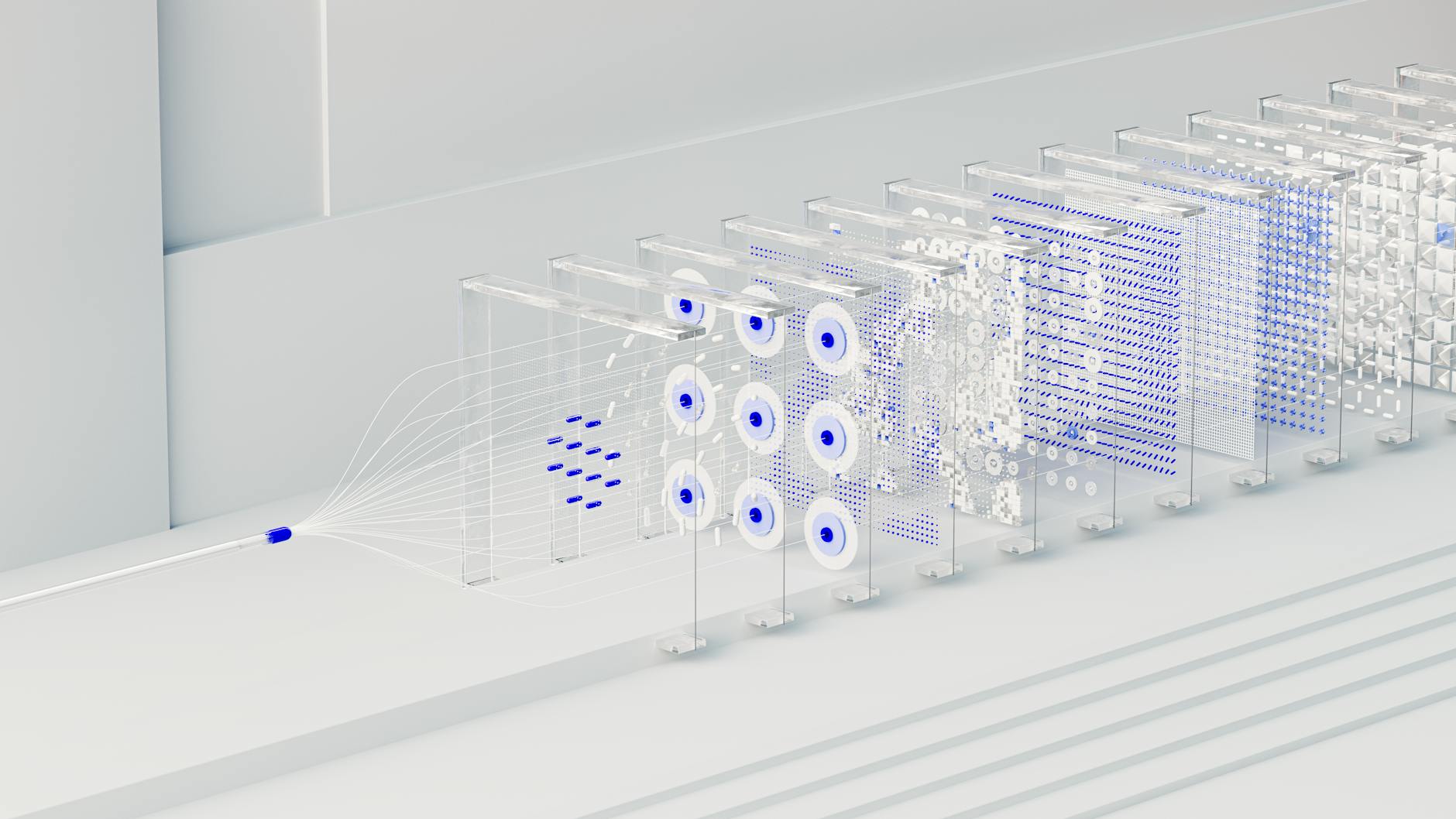
Architectural practices worldwide are recognizing that AI adoption is no longer optional but essential for maintaining competitive advantage and delivering superior client outcomes. By leveraging machine learning algorithms, natural language processing, and computer vision, firms can analyze vast datasets, generate design alternatives, optimize performance parameters, and automate routine tasks with unprecedented precision. This technological transformation enables professionals to focus their expertise on higher-value creative and strategic decision-making while AI handles complex computational analysis and pattern recognition.
The benefits of AI integration extend beyond efficiency gains to fundamentally improve design outcomes. Through iterative optimization and real-time performance simulation, AI-augmented design processes can identify solutions that human designers might overlook, particularly in balancing multiple competing constraints. This capability becomes increasingly critical as the industry faces growing demands for sustainable, resilient, and human-centered built environments in the face of complex challenges like climate change and urban densification.
AI Applications in the Architectural Design Process
Generative design represents one of the most transformative AI applications in architecture, enabling the creation of countless design variants based on specified parameters and constraints. Unlike traditional design approaches where options are limited to human capacity, generative AI systems can explore thousands of permutations simultaneously, optimizing for objectives such as structural efficiency, material usage, spatial organization, or environmental performance. For instance, when designing a high-rise office building, generative algorithms might produce configurations that maximize natural daylight penetration while minimizing structural material usage—combinations that might not emerge through conventional design processes.
Spatial optimization and performance analysis have been revolutionized through AI-powered simulation tools that continuously evaluate design alternatives against multiple metrics simultaneously. These systems can assess factors like thermal comfort, acoustic performance, daylight availability, circulation efficiency, and structural integrity with far greater speed and accuracy than traditional methods. In practice, this means architectural teams can receive immediate feedback on proposed designs, enabling rapid iteration toward optimal solutions. For example, a healthcare facility design can be simultaneously evaluated for infection control patterns, patient wayfinding efficiency, and staff workflow optimization, with AI recommending adjustments that balance these often competing priorities.
Automated documentation and drafting processes have been dramatically enhanced through AI vision systems that can interpret hand-drawn sketches or existing conditions photography, converting them into precise digital models. This capability dramatically reduces the time required for site documentation and as-built modeling while improving accuracy. Furthermore, AI systems can automatically generate construction documents, specifications, and material takeoffs based on design parameters, significantly reducing documentation errors and omissions. In one implementation case, a design firm reduced documentation preparation time by 40% while simultaneously decreasing coordination errors by 60% through these automated processes.
Implementation Framework for AI in Architectural Practices
Assessing organizational readiness for AI integration requires a comprehensive evaluation of current technological infrastructure, data management capabilities, and staff digital proficiency. Successful implementation begins with identifying specific pain points within existing workflows where AI can deliver measurable benefits, such as reducing time-consuming calculations, automating routine drafting tasks, or improving energy performance prediction. Firms should conduct thorough process mapping to document current workflows, identify bottlenecks, and determine where AI interventions can create the greatest impact. This assessment should also include an evaluation of computational resources, as many AI applications require significant processing power and specialized hardware.
Selecting appropriate AI tools and platforms demands careful consideration of integration capabilities with existing software ecosystems, scalability requirements, and specialized functionalities relevant to the firm’s project types and design philosophy. Rather than adopting every available technology, firms should prioritize solutions that address their most pressing challenges while offering potential for future expansion. For example, a practice specializing in sustainable design might prioritize energy performance optimization tools, while a healthcare-focused firm might prioritize spatial analytics for infection control. Implementation should follow a modular approach, allowing for phased integration and continuous evaluation of return on investment.
Change management and staff training represent critical success factors in AI implementation that are frequently underestimated. Technological adoption alone cannot transform outcomes without corresponding shifts in team workflows and professional mindsets. Successful firms invest in comprehensive training programs that develop both technical proficiency and conceptual understanding of how AI extends rather than replaces human expertise. They establish cross-functional implementation teams with representatives from design, technical, and leadership perspectives to ensure alignment between technological capabilities and project requirements. Most importantly, they create feedback mechanisms that allow continuous refinement of AI integration strategies based on practical experience and evolving project demands.
Case Studies of AI Implementation in Architecture
Large-scale commercial project implementations demonstrate how AI can address complex design challenges in high-stakes environments. One notable example involved a 2.5 million square foot mixed-use development where AI systems analyzed thousands of variables including solar exposure, wind patterns, pedestrian flow, and retail adjacency requirements. The generative design engine produced solutions that exceeded traditional approaches in both sustainability metrics and commercial viability, ultimately reducing the building’s energy consumption by 32% while optimizing leasing potential through enhanced spatial configurations. This level of comprehensive optimization would have been computationally infeasible using conventional design methods.
Residential design applications showcase how AI can personalize housing solutions to meet diverse lifestyle needs while optimizing construction efficiency. In a mid-density housing development, implementation teams utilized AI tools to generate unit configurations that balanced individual resident preferences with structural efficiency and common space optimization. The system evaluated thousands of layout variations against parameters including daylight access, storage capacity, circulation efficiency, and construction costs. The result was a 25% reduction in design time while simultaneously increasing resident satisfaction scores by 40% through personalized spatial solutions that would have been impractical to develop manually at this scale.
Urban planning and development use cases highlight how AI can analyze complex systemic relationships at the city scale, informing more sustainable and resilient development patterns. One metropolitan planning authority implemented an AI system that evaluated development proposals against regional transportation networks, utility infrastructure capacity, environmental constraints, and social equity metrics. The system identified development patterns that simultaneously increased housing density by 15% while reducing traffic congestion by 20% and improving access to amenities in underserved communities. This comprehensive analysis capability enabled more evidence-based policy decisions and development approvals, leading to more equitable and resource-efficient urban growth.
Overcoming Implementation Challenges
Technical integration hurdles present significant challenges for architectural practices implementing AI systems, particularly regarding interoperability between specialized design software and AI platforms. Legacy systems often lack standardized APIs that would facilitate seamless data exchange, requiring custom middleware solutions or workflow adjustments. Successful firms approach these challenges through strategic technology roadmapping that prioritizes cloud-based solutions with open architectures while maintaining compatibility with essential specialized tools. They also invest in middleware development that can translate data between different formats and coordinate computational processes across multiple platforms, ensuring that AI tools enhance rather than disrupt existing design workflows.
Data privacy and security considerations become particularly complex in architectural contexts where sensitive client information, proprietary design approaches, and building specifications require protection. AI systems trained on project data may inadvertently expose confidential information through pattern recognition or reverse engineering capabilities. Leading practices implement rigorous data governance frameworks that include anonymization techniques, federated learning approaches that keep sensitive data within secure environments, and comprehensive access controls that restrict AI capabilities to authorized personnel and approved use cases. They also develop clear communication protocols with clients regarding data usage and establish audit trails that ensure transparency in AI decision-making processes.
Balancing AI insights with human creativity represents perhaps the most nuanced challenge in architectural implementation, requiring careful calibration between computational optimization and innovative design thinking. The most successful approaches recognize that AI excels at analyzing known parameters but cannot replicate the intuitive leaps, contextual understanding, and value judgments that characterize exceptional architectural design. These firms establish clear protocols for human review of AI-generated solutions, ensuring that technical optimizations serve rather than override design intent. They position AI as an extension of design intelligence rather than a replacement, creating feedback loops where human evaluation informs AI training and AI-generated proposals stimulate new design thinking.
Future Directions and Emerging Trends
Advanced generative AI capabilities promise to further transform architectural design through increasingly sophisticated approaches to contextual understanding and symbolic reasoning. Emerging systems can now analyze not just quantitative parameters but qualitative aspects of design contexts, including cultural significance, historical patterns, and experiential qualities. These capabilities enable more nuanced design solutions that respond to complex human needs and environmental contexts. For example, next-generation generative tools can develop designs that simultaneously optimize technical performance while responding to local material traditions, cultural spatial preferences, and climatic adaptations—creating solutions that are both technologically advanced and contextually resonant.
Integration with other emerging technologies creates powerful new capabilities in architectural practice through the convergence of AI, extended reality, advanced robotics, and IoT systems. This convergence enables entirely new design-to-construction workflows where AI-generated designs can be directly translated into robotic fabrication instructions, augmented reality construction guides, and building management systems. In practical terms, this means that design decisions made during conceptual phases can be automatically translated into precise construction specifications and facility management parameters, reducing information loss and coordination errors throughout the project lifecycle. These integrated systems enable unprecedented levels of precision and consistency between design intent and built outcome.
Evolving professional roles in AI-augmented architecture will increasingly focus on strategic direction, contextual understanding, and value judgment as routine technical tasks become automated. Architectural professionals will spend less time on manual drafting and calculation and more on high-level synthesis, ethical consideration, and human-centered design decision-making. This evolution will require new educational approaches and professional development pathways that emphasize not just technical skills but design thinking systems, ethical frameworks for AI implementation, and interdisciplinary collaboration capabilities. The most successful architectural practices of the future will be those that leverage AI to enhance rather than replace human expertise, creating new value through the synthesis of computational power and creative vision.
Read more at LeewayHertz
 Techno News Blog
Leave a comment