The entertainment industry has always been a hotbed of innovation, constantly evolving to meet the demands of audiences hungry for new and captivating experiences. In recent years, Generative Artificial Intelligence (AI) solutions have emerged as a disruptive force in entertainment, offering unparalleled capabilities to creators and reshaping the way content is generated, consumed, and experienced. From generating immersive virtual worlds to composing original music, Generative AI solutions hold the potential to revolutionize the entertainment industry in profound ways. In this article, we explore how Generative AI solution for entertainment can transform the industry, unlocking new creative possibilities and captivating audiences like never before.
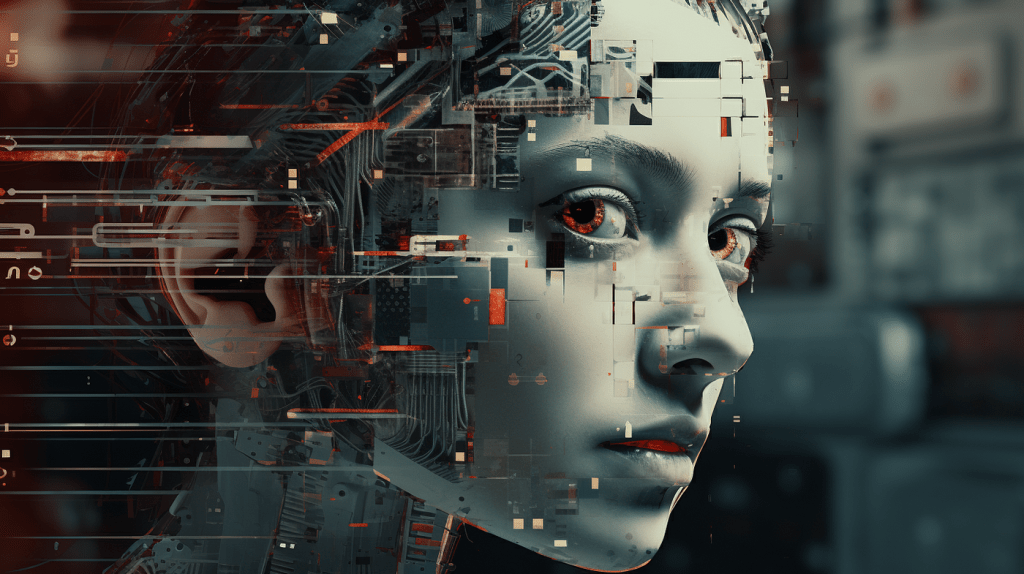
Introduction to Generative AI Solutions
Before delving into the transformative potential, let’s first understand what Generative AI solutions entail. Generative AI refers to a subset of artificial intelligence techniques focused on creating new content, data, or experiences that closely mimic human creativity. The Generative AI solution for entertainment leverages advanced machine learning algorithms, such as Generative Adversarial Networks (GANs) and Variational Autoencoders (VAEs), to generate content autonomously.
The Current Landscape of Entertainment
To appreciate the transformative power of Generative AI solution for entertainment, it’s essential to understand the current landscape of entertainment and the challenges it faces:
1. Content Creation Challenges
Content creation in entertainment often involves significant time, resources, and expertise. Whether it’s developing intricate visual effects for films, composing original music for games, or crafting immersive narratives for interactive experiences, creators face numerous challenges in bringing their creative visions to life.
2. Audience Expectations
Audiences today have higher expectations than ever before. They crave personalized, immersive, and interactive experiences that captivate their attention and engage their emotions. Meeting these expectations requires creators to push the boundaries of creativity and innovation, delivering content that resonates with audiences on a deeper level.
3. Technological Advancements
Advancements in technology, particularly in areas such as artificial intelligence, virtual reality, and augmented reality, have opened up new possibilities for content creation and consumption. Creators are increasingly leveraging these technologies to create more immersive, interactive, and engaging experiences that blur the lines between reality and fiction.
Transformative Potential of Generative AI Solutions
Now, let’s explore how Generative AI solution for entertainment can transform the entertainment industry in several key areas:
1. Content Creation
Generative AI solutions have the potential to revolutionize content creation in entertainment by automating and augmenting the creative process. These solutions can generate a wide range of content, including artwork, music, dialogue, and even entire virtual environments. By leveraging machine learning algorithms trained on vast datasets of existing content, Generative AI solution for entertainment can generate new content that closely resembles human-generated content, saving time and resources for creators.
2. Personalization and Interactivity
Personalization and interactivity are becoming increasingly important in entertainment, with audiences seeking tailored experiences that cater to their individual preferences and tastes. Generative AI solutions can enable hyper-personalized and interactive experiences by analyzing user data and behaviors to generate content that resonates with each user. Whether it’s generating personalized music playlists, customizing game levels based on player preferences, or creating interactive narratives that adapt to user choices, Generative AI solution for entertainment can enhance user engagement and satisfaction.
3. Cross-Disciplinary Collaboration
Generative AI solution for entertainment can facilitate cross-disciplinary collaboration among artists, musicians, designers, and developers, enabling them to work together seamlessly on creative projects. These solutions provide collaboration tools and workflows that allow multiple users to collaborate on creative projects simultaneously, fostering collaboration and innovation. Whether it’s combining artwork with music, integrating storytelling with gameplay, or merging virtual and physical experiences, cross-disciplinary collaboration can drive creativity and push the boundaries of entertainment.
4. Realism and Immersion
Generative AI solution for entertainment can enhance realism and immersion in entertainment by generating content that is increasingly realistic and immersive. These solutions leverage advancements in machine learning and rendering technologies to create lifelike characters, realistic environments, and immersive soundscapes. Whether it’s creating realistic visual effects for films, animating characters with lifelike movements, or generating immersive soundscapes for virtual environments, Generative AI solutions can transport audiences to new worlds and engage them in new ways.
5. Adaptive Learning
Generative AI solutions can adapt and learn from user interactions and feedback to improve the quality and relevance of generated content over time. By analyzing user behavior, preferences, and engagement metrics, these solutions can adapt their algorithms to generate content that better meets user expectations. Whether it’s dynamically adjusting the difficulty of game levels based on player performance, personalizing music recommendations based on listening habits, or tailoring narrative experiences based on user choices, adaptive learning can enhance user satisfaction and retention.
6. Scalability
Generative AI solutions offer scalability, allowing creators to scale content generation efforts to meet growing demand or accommodate large user bases. These solutions leverage distributed computing and parallel processing techniques to scale resources dynamically based on workload demands. Whether it’s generating content for millions of users simultaneously or handling spikes in traffic during peak periods, Generative AI solutions can scale resources to ensure smooth and uninterrupted content generation.
7. Ethical and Responsible AI
As Generative AI solutions become more prevalent in entertainment, ensuring ethical and responsible AI practices will be paramount. Creators must prioritize fairness, transparency, and accountability in content generation processes to mitigate the risks of bias, discrimination, and misinformation. Generative AI solution for entertainment can integrate fairness testing, bias detection, and transparency features into their algorithms to ensure responsible content creation and distribution.
Challenges and Considerations
While the transformative potential of Generative AI solutions for entertainment is vast, several challenges and considerations must be addressed:
1. Ethical and Responsible AI
Ensuring ethical and responsible AI practices is essential to prevent bias, discrimination, and misinformation in generated content. Creators must prioritize fairness, transparency, and accountability in content generation processes to uphold the integrity and credibility of the creative process.
2. User Privacy and Data Security
Safeguarding user privacy and data security is crucial as Generative AI solutions collect and analyze user data to personalize content and experiences. Creators must implement robust data protection measures and adhere to privacy regulations to protect user data from unauthorized access and misuse.
3. Content Quality and Authenticity
Maintaining content quality and authenticity is essential to ensure that generated content resonates with audiences and upholds the integrity of the creative process. Creators must ensure that generated content meets high standards of quality and authenticity to build trust and credibility with audiences.
4. Regulatory and Legal Considerations
Navigating regulatory and legal considerations is necessary to ensure compliance with laws and regulations governing content creation and distribution. Creators must stay informed about relevant regulations and seek legal guidance to mitigate the risks of legal challenges and liabilities.
Conclusion
Generative AI solutions have the potential to transform the entertainment industry by unlocking new creative possibilities, enhancing user experiences, and reshaping the way content is generated, consumed, and experienced. From automating content creation to enabling hyper-personalized and interactive experiences, Generative AI solutions hold the key to revolutionizing entertainment and captivating audiences like never before. As technology continues to evolve, we can expect Generative AI solutions to play an increasingly prominent role in shaping the future of entertainment, unleashing creativity and innovation on a global scale.
 Techno News Blog
Leave a comment