Introduction
The automotive industry is undergoing a profound transformation driven by advancements in technology, changing consumer preferences, and evolving regulatory landscapes. Amidst this transformation, Artificial Intelligence (AI) has emerged as a key enabler, revolutionizing various aspects of automotive manufacturing, vehicle operation, and customer experience. In this comprehensive article, we delve into the latest trends in AI platform for the automotive industry, exploring how they are reshaping the industry and driving innovation across different domains.
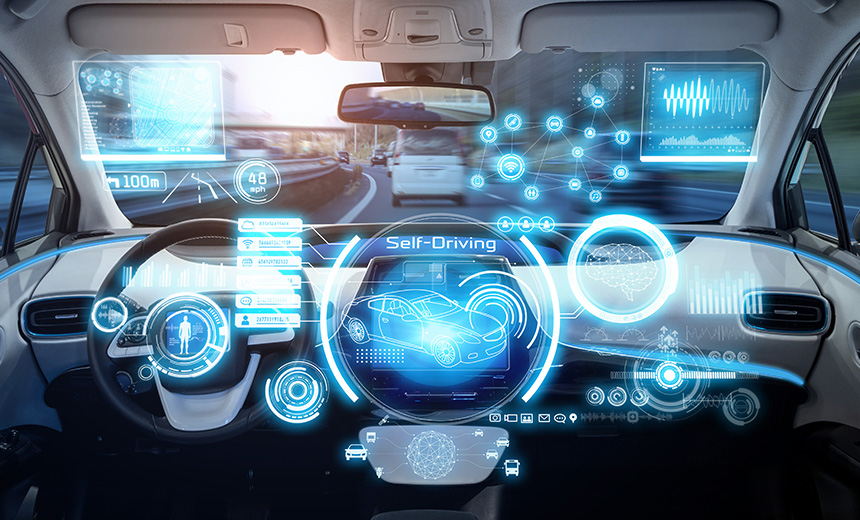
Understanding AI Platform for the Automotive Industry
AI platforms for the automotive industry encompass a wide range of technologies and tools that leverage Artificial Intelligence and Machine Learning algorithms to analyze data, make predictions, and automate processes. These platforms enable automakers, suppliers, and service providers to enhance vehicle performance, improve safety, optimize manufacturing processes, and personalize customer experiences. By harnessing the power of AI, the automotive industry is poised to achieve unprecedented levels of efficiency, innovation, and competitiveness.
Trends in AI Platform for the Automotive Industry
1. Autonomous Driving
Autonomous driving represents a major trend in AI platforms for automotive industry, with companies investing heavily in the development of self-driving vehicles. AI-powered autonomous driving systems leverage sensors, cameras, Lidar, and advanced algorithms to perceive the environment, interpret road conditions, and make real-time driving decisions. These platforms enable vehicles to navigate safely, avoid obstacles, and interact with other vehicles and pedestrians autonomously, leading to improved road safety and mobility.
2. Connected Vehicles
Connected vehicles are becoming increasingly prevalent, with AI platforms enabling seamless communication and data exchange between vehicles, infrastructure, and the cloud. AI-powered connected vehicle platforms leverage IoT sensors, telematics, and vehicle-to-everything (V2X) communication technologies to collect and analyze real-time data on vehicle performance, traffic conditions, and driver behavior. These platforms enable automakers to offer advanced features such as remote diagnostics, predictive maintenance, and over-the-air software updates, enhancing vehicle functionality and user experience.
3. Predictive Maintenance
Predictive maintenance is emerging as a key trend in AI platform for the automotive industry, enabling automakers to monitor vehicle health in real-time and predict potential failures before they occur. AI-powered predictive maintenance platforms leverage sensor data, vehicle diagnostics, and historical maintenance records to identify patterns, detect anomalies, and forecast equipment failures. By proactively addressing maintenance issues, automakers can minimize downtime, reduce repair costs, and enhance vehicle reliability and longevity.
4. Personalized User Experiences
Personalized user experiences are becoming increasingly important in the automotive industry, with AI platforms enabling automakers to tailor products and services to individual preferences and needs. AI-powered personalization platforms analyze data on driver behavior, preferences, and usage patterns to deliver customized features such as adaptive cruise control, personalized infotainment systems, and intelligent driver assistance systems. These platforms enhance user satisfaction, loyalty, and brand affinity, driving customer retention and brand differentiation.
5. Supply Chain Optimization
Supply chain optimization is a critical aspect of the automotive industry, with AI platforms enabling automakers to streamline procurement, inventory management, and logistics operations. AI-powered supply chain optimization platforms leverage advanced algorithms and predictive analytics to forecast demand, optimize inventory levels, and improve supplier collaboration. These platforms enable automakers to reduce lead times, minimize costs, and enhance supply chain resilience and agility in the face of disruptions.
6. Quality Control and Defect Detection
Quality control and defect detection are essential for ensuring product quality and reliability in the automotive industry, with AI platforms enabling automakers to identify defects and anomalies in manufacturing processes. AI-powered quality control platforms leverage computer vision, image recognition, and deep learning algorithms to analyze images, videos, and sensor data from production lines. These platforms enable automakers to detect defects, identify root causes, and implement corrective actions in real-time, leading to improved product quality and reduced warranty costs.
Benefits of AI Platform for the Automotive Industry
The adoption of AI platforms offers numerous benefits for automakers, suppliers, and service providers:
- Enhanced Safety: Improving road safety and reducing accidents through autonomous driving and driver assistance systems.
- Increased Efficiency: Streamlining manufacturing processes, optimizing supply chains, and reducing costs through predictive analytics and automation.
- Improved Customer Experience: Personalizing products and services, enhancing vehicle functionality, and delivering seamless connectivity and convenience to users.
- Enhanced Reliability: Predicting and preventing equipment failures, minimizing downtime, and improving vehicle reliability and longevity.
- Greater Innovation: Driving innovation and enabling the development of new products, services, and business models that meet evolving customer needs and market trends.
- Sustainable Practices: Optimizing resource utilization, reducing waste, and minimizing environmental impact through efficient operations and sustainable technologies.
Future Outlook
As AI technologies continue to evolve and mature, the future outlook for AI platforms in the automotive industry is promising. With advancements in machine learning, deep learning, and predictive analytics, AI platforms will enable automakers to achieve unprecedented levels of efficiency, innovation, and competitiveness. By embracing AI platforms, the automotive industry can navigate the challenges of the digital age, drive sustainable growth, and deliver transformative experiences to customers.
Conclusion
AI platforms are transforming the automotive industry by enabling automakers to develop innovative products, optimize manufacturing processes, and deliver personalized experiences to customers. With trends such as autonomous driving, connected vehicles, predictive maintenance, personalized user experiences, supply chain optimization, and quality control reshaping the industry, AI platforms are poised to revolutionize every aspect of automotive operations. By harnessing the power of AI, automakers can stay ahead of the curve, drive innovation, and create a safer, more efficient, and sustainable future for mobility.
 Techno News Blog
Leave a comment