In recent years, the manufacturing industry has undergone a profound transformation fueled by advancements in artificial intelligence (AI) technology. AI platforms have emerged as powerful tools for optimizing processes, improving efficiency, and driving innovation across various sectors of manufacturing. From predictive maintenance and quality control to supply chain management and product design, AI platforms are revolutionizing traditional practices and reshaping the future of manufacturing. This article provides a comprehensive exploration of how AI platform for manufacturing are enhancing the manufacturing industry, examining the key benefits, applications, and implications of this transformative technology.
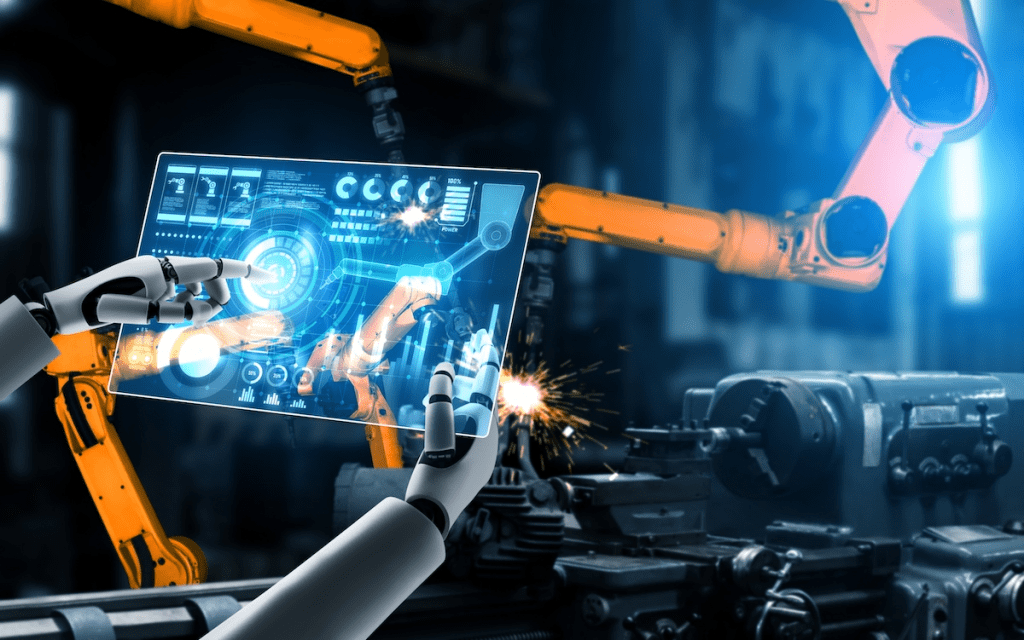
Introduction to AI Platforms in Manufacturing
AI platforms represent a sophisticated ecosystem of tools, algorithms, and technologies designed to harness the power of artificial intelligence for solving complex problems and driving business value. In the manufacturing industry, AI platforms enable manufacturers to leverage advanced analytics, machine learning, and automation capabilities to optimize processes, enhance productivity, and gain actionable insights from data. By integrating AI platform for manufacturing into their operations, manufacturers can unlock new opportunities, overcome challenges, and stay ahead of the competition in today’s fast-paced and dynamic business environment.
Key Benefits of AI Platforms in Manufacturing
AI platforms offer manufacturers a wide range of benefits, ranging from increased efficiency and productivity to improved quality control and cost savings. Some of the key benefits of AI platforms in manufacturing include:
1. Enhanced Efficiency and Productivity
AI platform for manufacturing optimize processes, automate repetitive tasks, and streamline workflows, leading to increased efficiency and productivity in manufacturing operations. By leveraging advanced algorithms and machine learning techniques, AI platforms enable manufacturers to accomplish more in less time, reducing cycle times and maximizing resource utilization.
2. Improved Quality Control and Assurance
AI platforms enhance quality control and assurance by detecting defects, anomalies, and deviations from quality standards in manufacturing processes. By analyzing production data and sensor readings, AI platforms can identify patterns and trends indicative of quality issues, enabling manufacturers to take corrective actions proactively and ensure consistent product quality.
3. Predictive Maintenance and Asset Management
AI platforms enable predictive maintenance and asset management by analyzing equipment data and predicting potential failures before they occur. By leveraging machine learning algorithms and predictive analytics, AI platforms can identify patterns and anomalies in equipment performance data, enabling manufacturers to schedule maintenance activities proactively, minimize downtime, and extend the lifespan of assets.
4. Optimized Supply Chain Management
AI platforms optimize supply chain management by analyzing demand forecasts, inventory levels, and supplier performance data. By leveraging AI algorithms for demand forecasting, inventory optimization, and logistics planning, manufacturers can optimize supply chain operations, reduce costs, and improve reliability, enabling them to respond rapidly to shifts in customer demand and market conditions.
5. Accelerated Product Development and Innovation
AI platform for manufacturing accelerate product development and innovation by enabling manufacturers to explore a wide range of design alternatives, optimize designs for performance and manufacturability, and bring products to market more quickly. By automating design exploration, simulation, and optimization processes, AI platforms empower manufacturers to innovate and differentiate their products in competitive markets.
Applications of AI Platform for Manufacturing
AI platform for manufacturing find applications across various domains within the manufacturing industry, transforming traditional practices and driving innovation. Some of the key applications of AI platforms in manufacturing include:
1. Predictive Maintenance
Predictive maintenance solutions leverage AI algorithms to analyze equipment data and predict potential failures before they occur. By monitoring equipment performance metrics, such as temperature, vibration, and energy consumption, predictive maintenance solutions can identify anomalies and patterns indicative of impending failures, enabling manufacturers to schedule maintenance activities proactively and minimize downtime.
2. Quality Control and Assurance
AI-powered quality control and assurance solutions use computer vision, machine learning, and sensor technologies to detect defects, anomalies, and deviations from quality standards in manufacturing processes. By analyzing images, sensor readings, and production data, these solutions can identify defects in real-time, enabling manufacturers to take corrective actions promptly and ensure consistent product quality.
3. Supply Chain Optimization
AI-driven supply chain optimization solutions optimize supply chain operations by analyzing demand forecasts, inventory levels, and supplier performance data. By leveraging AI algorithms for demand forecasting, inventory optimization, and logistics planning, these solutions enable manufacturers to optimize inventory levels, reduce lead times, and improve reliability in supply chain operations.
4. Production Planning and Scheduling
AI platforms optimize production planning and scheduling by analyzing production data, demand forecasts, and resource constraints. By simulating various production scenarios and evaluating their impact on key performance indicators, AI platforms can generate optimized production schedules that maximize throughput, minimize idle time, and align with customer demand, enabling manufacturers to optimize resource utilization and agility in responding to market fluctuations.
5. Design Exploration and Optimization
AI platforms enable manufacturers to explore a wide range of design alternatives, optimize designs for performance and manufacturability, and bring products to market more quickly. By leveraging advanced algorithms and simulation techniques, AI platforms can generate innovative designs that push the boundaries of creativity and functionality, enabling manufacturers to differentiate their products in competitive markets.
Challenges and Considerations in Implementing AI Platforms in Manufacturing
While AI platforms offer significant benefits for manufacturers, they also present several challenges and considerations that must be addressed to ensure successful implementation and integration into existing systems and processes. Some of the key challenges and considerations include:
1. Data Availability and Quality
Data availability and quality are critical factors that influence the success of AI projects in manufacturing. Manufacturers must ensure that relevant data is accessible, accurate, and reliable for training AI models and making data-driven decisions. Additionally, data must be properly labeled, structured, and cleansed to ensure accuracy and reliability for AI applications.
2. Skills and Talent
Implementing AI platforms requires specialized skills and expertise in data science, machine learning, and software engineering. Manufacturers may face challenges in recruiting and retaining talent with the necessary skills and experience to develop, deploy, and maintain AI solutions effectively. Training and upskilling existing employees or partnering with external vendors and consultants can help address skills shortages and gaps.
3. Integration with Existing Systems
Integrating AI platforms with existing systems and processes can be complex and challenging, particularly in manufacturing environments with legacy systems and heterogeneous data sources. Manufacturers must ensure seamless data flow and interoperability between AI platforms and other manufacturing systems, such as manufacturing execution systems (MES), enterprise resource planning (ERP) systems, and production equipment.
4. Regulatory Compliance and Ethical Considerations
AI technologies raise regulatory and ethical considerations that must be carefully considered and addressed in manufacturing settings. Manufacturers must adhere to regulatory requirements, industry standards, and ethical guidelines for the responsible use of AI technologies, including issues related to data privacy, security, bias, fairness, transparency, and accountability.
Best Practices for Implementing AI Platforms in Manufacturing
To maximize the success of AI projects in manufacturing, manufacturers should follow best practices and guidelines that promote effective deployment and integration of AI platforms. Some of the key best practices include:
- Start with Clear Objectives and Use Cases: Define clear objectives and identify relevant use cases that align with organizational priorities and strategic objectives.
- Assess Data Availability and Quality: Assess the availability and quality of data relevant to the selected use cases, and ensure data is accessible, accurate, and reliable for training AI models.
- Select AI Technologies and Tools: Select appropriate AI technologies and tools that align with project requirements and organizational capabilities, considering factors such as scalability, compatibility, and integration.
- Develop and Train AI Models: Develop and train AI models using supervised, unsupervised, or reinforcement learning techniques, and evaluate model performance and robustness using appropriate metrics and validation procedures.
- Deploy and Integrate AI Platforms: Deploy and integrate AI platforms into existing systems and processes, ensuring seamless data flow and interoperability between AI platforms and other manufacturing systems.
- Monitor and Evaluate Performance: Monitor and evaluate the performance of AI platforms, establish key performance indicators (KPIs) and metrics, and make adjustments to optimize AI platforms over time.
Real-World Examples of AI Platform Implementation in Manufacturing
Numerous manufacturers have successfully implemented AI platforms to address specific challenges and achieve tangible benefits in various domains of manufacturing. Some real-world examples of AI platform implementation in manufacturing include:
- Predictive Maintenance: A leading aerospace manufacturer uses AI-powered predictive maintenance solutions to analyze equipment data and predict potential failures, enabling proactive maintenance and minimizing downtime.
- Quality Control and Assurance: An automotive manufacturer uses AI-powered quality control and assurance solutions to detect defects and anomalies in production processes, ensuring consistent product quality and reducing scrap and rework.
- Supply Chain Optimization: A global consumer goods company uses AI-driven supply chain optimization solutions to optimize inventory levels, reduce lead times, and improve reliability in supply chain operations, enabling rapid response to market fluctuations.
- Production Planning and Scheduling: A pharmaceutical manufacturer uses AI platforms to optimize production planning and scheduling, generating optimized production schedules that maximize throughput and minimize idle time, while aligning with customer demand.
Conclusion: Transforming Manufacturing with AI Platforms
In conclusion, AI platforms offer manufacturers a transformative opportunity to optimize processes, improve efficiency, and drive innovation in the manufacturing industry. By leveraging advanced analytics, machine learning, and automation capabilities, AI platforms enable manufacturers to unlock new opportunities, overcome challenges, and stay ahead of the competition in today’s dynamic business environment. With careful planning, strategic investments, and a commitment to continuous improvement, manufacturers can harness the power of AI platforms to achieve manufacturing excellence and thrive in the digital age.
 Techno News Blog
Leave a comment